Dubai Travel Tips for First-Time Visitors: What to Know Before You Arrive
Dubai can feel both wonderfully easy and slightly overwhelming on a first visit. The city is modern, well connected and built around convenience, yet its size, climate and local customs can surprise travellers who arrive without a plan.

A successful trip does not require a complicated itinerary. A few practical decisions made before departure can save time, reduce unnecessary spending and make the first day much more comfortable.
Start by saving the full address of your accommodation, arranging mobile internet and planning how you will leave the airport. Travellers arriving late, carrying several bags or visiting with children may prefer to reserve Taxi Moments airport transfers before departure rather than organise transportation after landing.
The following Dubai travel tips cover the most important things first-time visitors should know, from choosing the right neighbourhood to using public transport and respecting local etiquette.
1. Choose Your Hotel Area Carefully
Dubai is much larger than it appears in photographs. Attractions that look close together on a tourist map may require a lengthy road journey, especially during busy periods.
Choosing the right neighbourhood can therefore be more important than finding the cheapest hotel.
| Area | Best for | Things to consider |
|---|---|---|
| Downtown Dubai | First-time visitors and sightseeing | Close to major attractions but often more expensive |
| Dubai Marina | Beaches, restaurants and evening walks | Farther from the airport and old Dubai |
| Jumeirah Beach Residence | Beach holidays and families | Busy roads and longer journeys to Downtown |
| Deira | Traditional markets and budget accommodation | Farther from several modern attractions |
| Bur Dubai | Culture, historic districts and affordable hotels | Some areas feel busier and less resort-like |
| Palm Jumeirah | Resorts and relaxing holidays | Limited public transport near many hotels |
| Business Bay | Modern hotels and central location | Hotel surroundings vary considerably |
| Al Barsha | Shopping and better-value accommodation | Less suitable for travellers seeking a beach atmosphere |
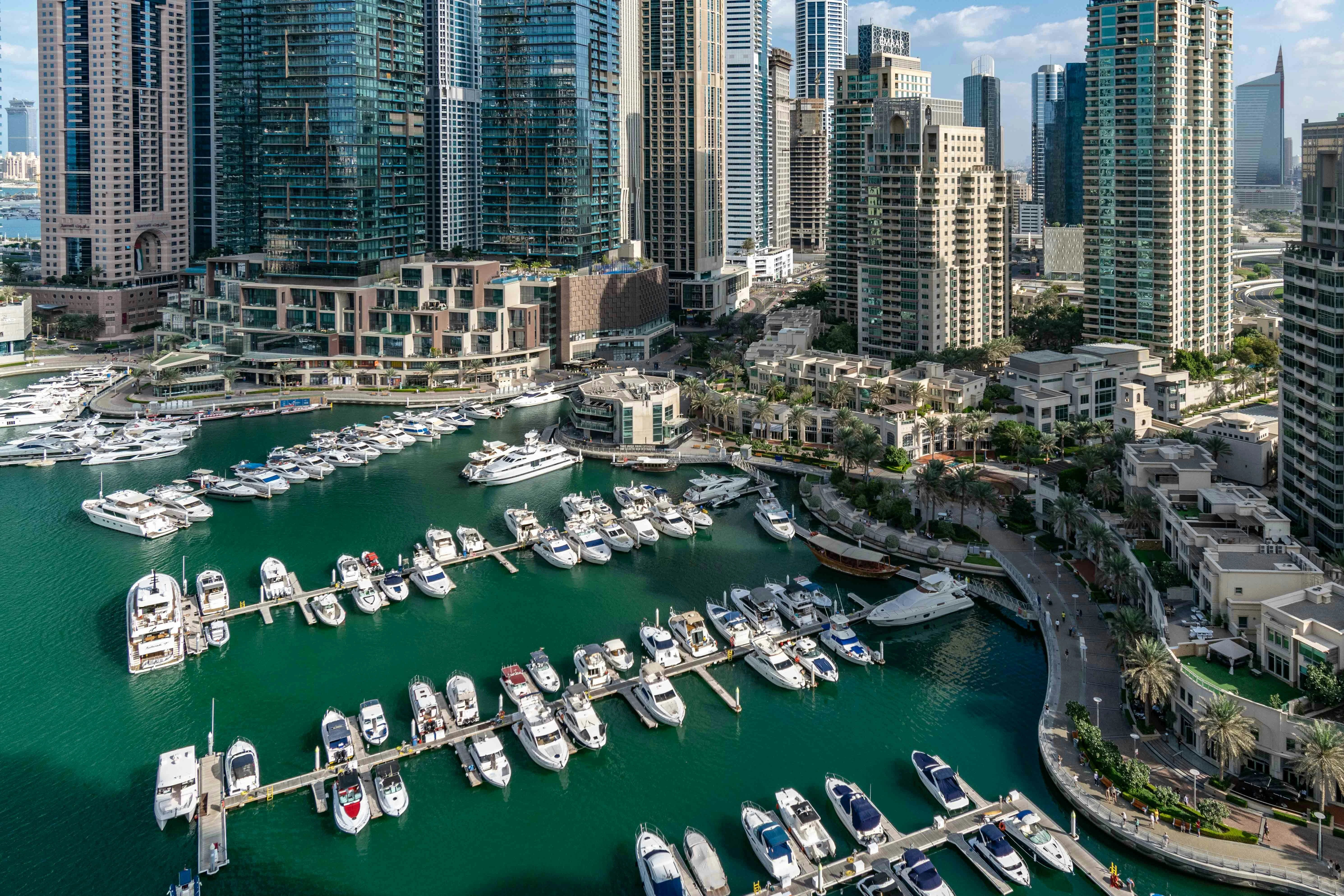
Before booking, search for the hotel on a map and check the journey to the places you plan to visit.
A lower room rate may not be a good deal if you need to take long taxi journeys every day. On the other hand, paying more for a central hotel may be unnecessary if your trip is focused mainly on the beach.
2. Plan Your Airport Arrival in Advance
Dubai International Airport is busy, and its three terminals do not share exactly the same transport connections.
Check the airport code and terminal number before travelling. Dubai International Airport uses the code DXB, while Al Maktoum International Airport uses DWC. These airports are in different parts of the emirate, so booking transport to the wrong one can create an expensive problem.
Keep the following information somewhere you can access offline:
- Your flight number and terminal
- The full name and address of your hotel
- Your reservation confirmation
- The hotel’s telephone number
- Your planned transport method
- The name of the lead passenger
- Any pickup instructions provided by your driver or hotel
Do not rely entirely on having an internet connection immediately after landing. A screenshot of your accommodation address can be surprisingly useful.
“The easiest first day in Dubai begins before the aircraft takes off.”
3. Understand the Weather Before Packing
Dubai has a hot desert climate, but the experience varies noticeably throughout the year.
The cooler months are generally more comfortable for walking, outdoor dining and visiting beaches. During the hottest part of the year, outdoor sightseeing in the middle of the day can be tiring, even for travellers accustomed to warm climates.
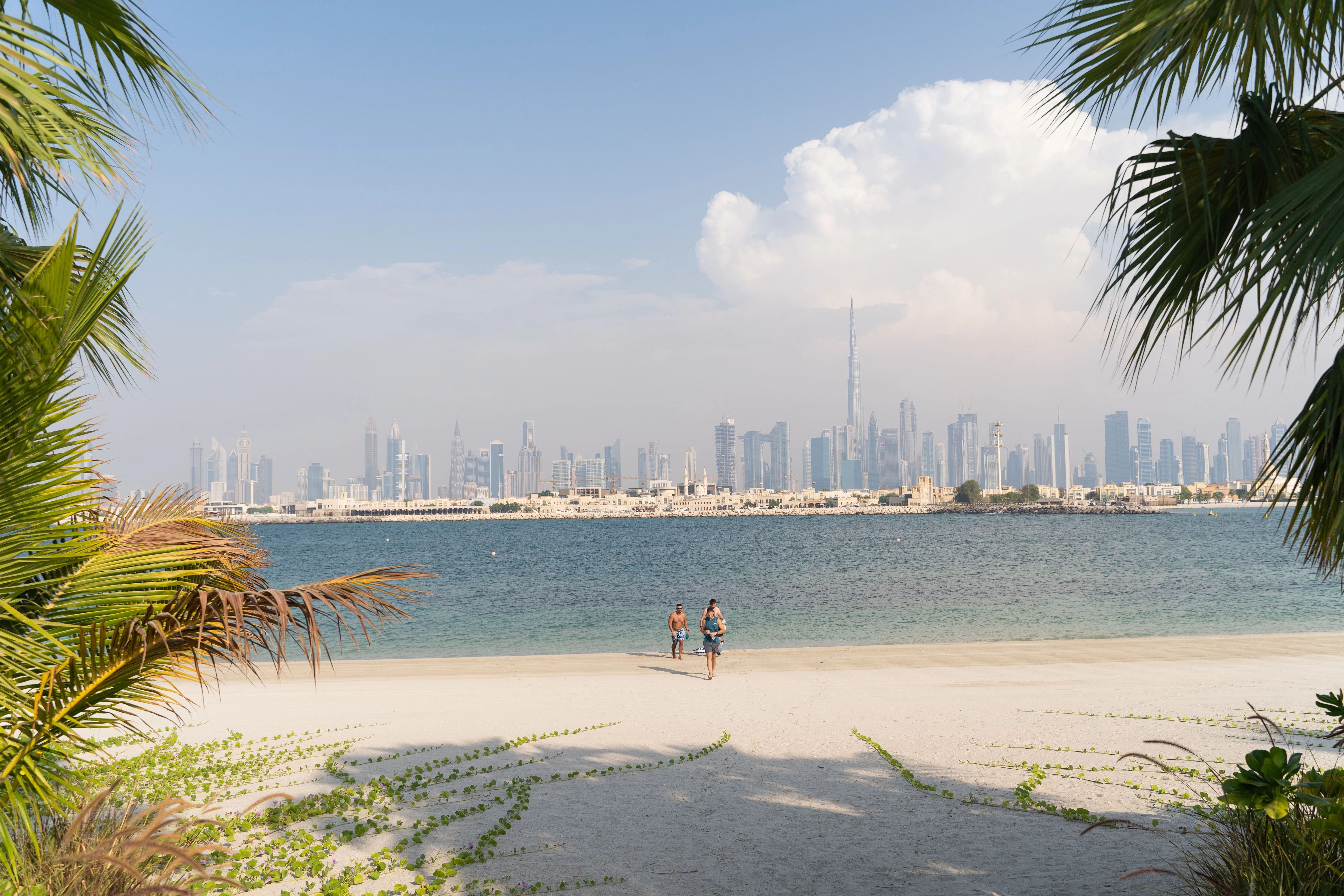
Light and breathable clothing is useful, but you should also carry something for heavily air-conditioned indoor spaces. Shopping centres, hotels, restaurants and vehicles can feel considerably cooler than the temperature outside.
A practical packing list includes:
- Lightweight everyday clothing
- Comfortable walking shoes
- Sunglasses
- A hat or cap
- Sunscreen
- A refillable water bottle
- A light shirt or cardigan
- Smart-casual clothing for selected restaurants
- Modest clothing for cultural and religious sites
Plan outdoor activities for the morning or evening when possible. Museums, malls and indoor attractions are better choices for the hottest hours.
4. Dress for the Place You Are Visiting
Dubai is international and generally welcoming to visitors, but local customs still matter.
At hotels, beaches and swimming pools, normal holiday clothing is widely seen. In shopping centres, traditional districts, government buildings and places of worship, more modest clothing is appropriate.
Official UAE guidance advises visitors to dress modestly in public and conservative places. Swimwear should remain within beaches, pools and water parks rather than being worn in shopping or dining areas. Visitors to a mosque may also need clothing that covers more of the body, and women may be asked to cover their hair.
A useful rule is to consider the setting:
- Beach or hotel pool: regular swimwear is appropriate.
- Shopping mall: casual clothing that provides reasonable coverage.
- Upscale restaurant: check whether a dress code applies.
- Mosque or religious site: cover shoulders and legs and follow staff instructions.
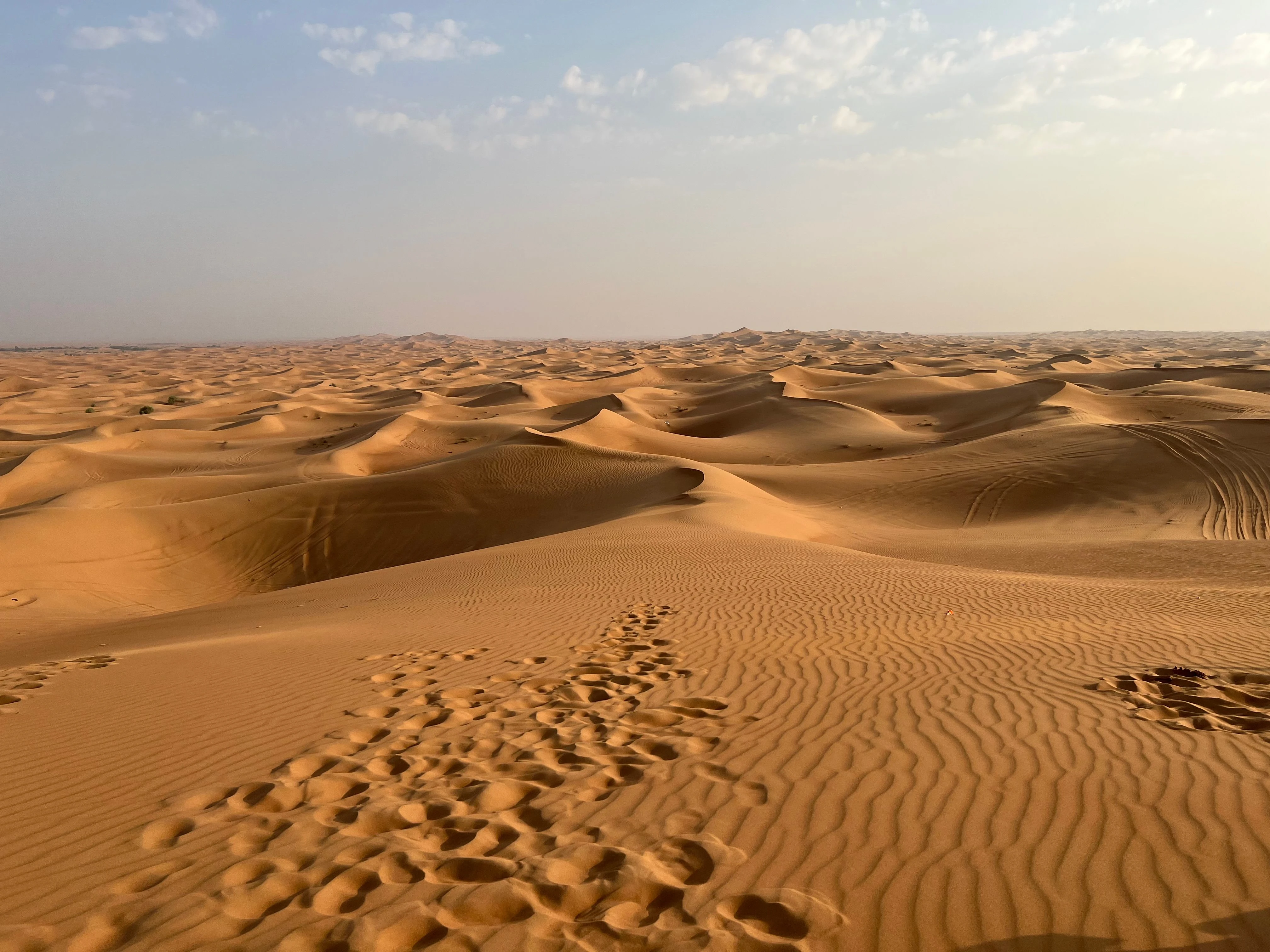
- Desert activity: lightweight clothes and closed shoes may be more practical.
You do not need to replace your entire wardrobe. Simply bring a few versatile items that allow you to adapt.
5. Learn How Dubai Public Transport Works
Dubai has several transport options, including the Metro, buses, trams, taxis and marine services.
For public transport, travellers normally use a nol card or ticket. According to Dubai’s Roads and Transport Authority, nol products can be purchased from ticket offices, vending machines and authorised sales agents. Cash is not accepted as direct payment on the main RTA public transport network.
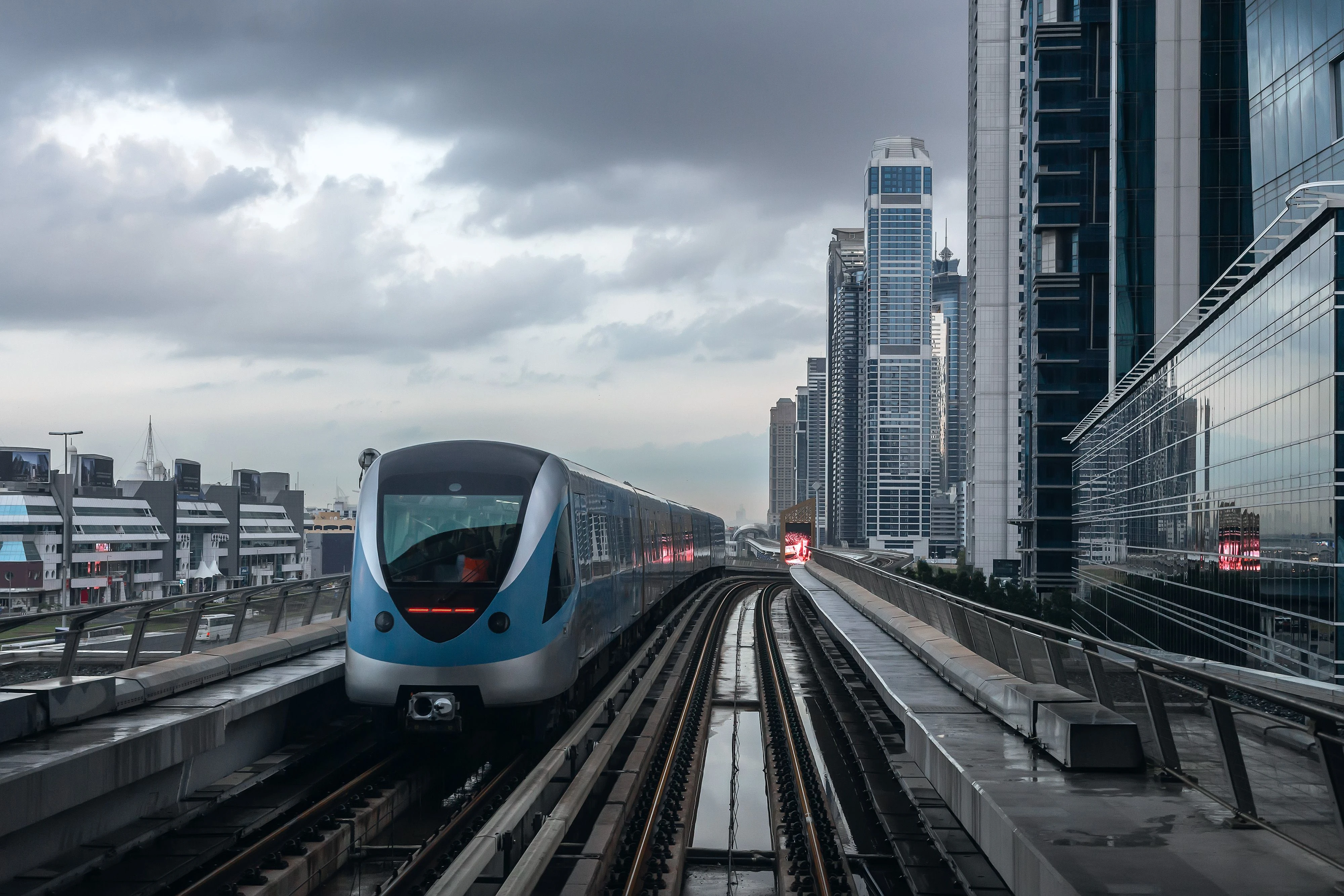
The Metro is useful when your starting point and destination are both near a station. It is clean, easy to understand and often avoids road congestion. However, Dubai is not a city where every attraction is within walking distance of a train station.
A typical journey may involve:
- Walking from the hotel to a station.
- Travelling by Metro.
- Changing to a tram or bus.
- Walking again or taking a short taxi ride.
The nol system calculates fares according to the number of transport zones crossed. The same card can be used across several RTA transport modes, provided the passenger follows the required check-in and check-out procedure.
For a short visit, compare convenience rather than automatically choosing the cheapest method. Two travellers sharing a taxi may sometimes prefer the direct journey, while a solo visitor staying beside a Metro station may save significantly with public transport.
6. Do Not Underestimate Travel Times
Dubai’s roads are modern, but distances are long and traffic can affect journey times.
A day that includes old Dubai, Downtown, Palm Jumeirah and Dubai Marina may look realistic on a map but feel rushed in practice. Group nearby attractions together instead of repeatedly crossing the city.
A more comfortable plan might look like this:
- Day one: Downtown Dubai and Business Bay
- Day two: Dubai Marina, JBR and Palm Jumeirah
- Day three: Deira, the creek and historic districts
- Day four: desert experience or a day trip outside the city
Leave additional time before restaurant reservations, ticketed attractions and airport departures. A journey that is quick in quiet traffic may take much longer during busy periods.
7. Carry a Bank Card, but Keep Some Cash
Card and contactless payments are common across Dubai. Hotels, restaurants, shopping centres and major attractions generally make electronic payment easy.
Nevertheless, carrying a modest amount of local currency is sensible. Cash can be useful for smaller shops, traditional markets, tips and situations where a payment terminal is temporarily unavailable.
The local currency is the UAE dirham, abbreviated as AED or sometimes written as Dhs.
Before travelling, check whether your bank charges:
- Foreign transaction fees
- Cash withdrawal fees
- Unfavourable currency conversion rates
- Extra fees for withdrawing from an overseas ATM
When a payment terminal offers to charge you in your home currency rather than AED, compare the conversion conditions before agreeing. The convenient-looking option is not always the least expensive one.
8. Book Popular Attractions Before the Last Minute
Dubai has a large number of attractions, but the most popular time slots can sell out.
Observation decks, museums, theme parks, desert experiences and special exhibitions may offer several ticket categories. Prices can also differ according to the day and time.
Booking early is particularly useful when:
- You are visiting during a holiday period.
- You want a sunset time slot.
- Your itinerary is only two or three days long.
- You are travelling with a group.
- The attraction requires a timed entrance.
- You need transport included in the booking.
Do not fill every hour of the trip. Dubai attractions can be large, and simply moving through a major mall, resort or entertainment complex may take longer than expected.
One main attraction and one nearby activity are often enough for a relaxed half-day.
9. Respect Photography Rules and Personal Privacy
Dubai is highly photogenic, but not everything should be photographed.
Ask for permission before taking close photographs of local residents, workers or other visitors. Official UAE guidance also warns against photographing people without consent and notes that photography may be restricted around certain government or military locations.
When uncertain, look for signs or ask a member of staff.
This is especially important at:
- Religious sites
- Government buildings
- Airports and transport facilities
- Private events
- Residential areas
- Cultural performances
- Beaches and swimming pools
A wide photograph of a landmark is different from deliberately making a stranger the main subject of an image.
10. Download Essential Information Before Going Out
Mobile internet makes Dubai much easier to navigate. It allows you to check maps, order transport, contact your hotel and access digital tickets.
Before leaving your accommodation, make sure you have:
- A charged phone
- A portable charger
- An offline copy of your hotel address
- Screenshots of important tickets
- A map of the area
- The meeting location for any tour
- Emergency contact details
- Appropriate clothing for the planned venues
Hotel Wi-Fi is useful, but you may need internet access while travelling between locations. An eSIM, travel SIM or local mobile plan can reduce dependence on public Wi-Fi.
11. Avoid Trying to See Everything
One of the most valuable Dubai travel tips is also the simplest: leave space in your schedule.
Dubai is often presented as a checklist of famous attractions, but rushing between them can make the trip feel like a series of transport connections.
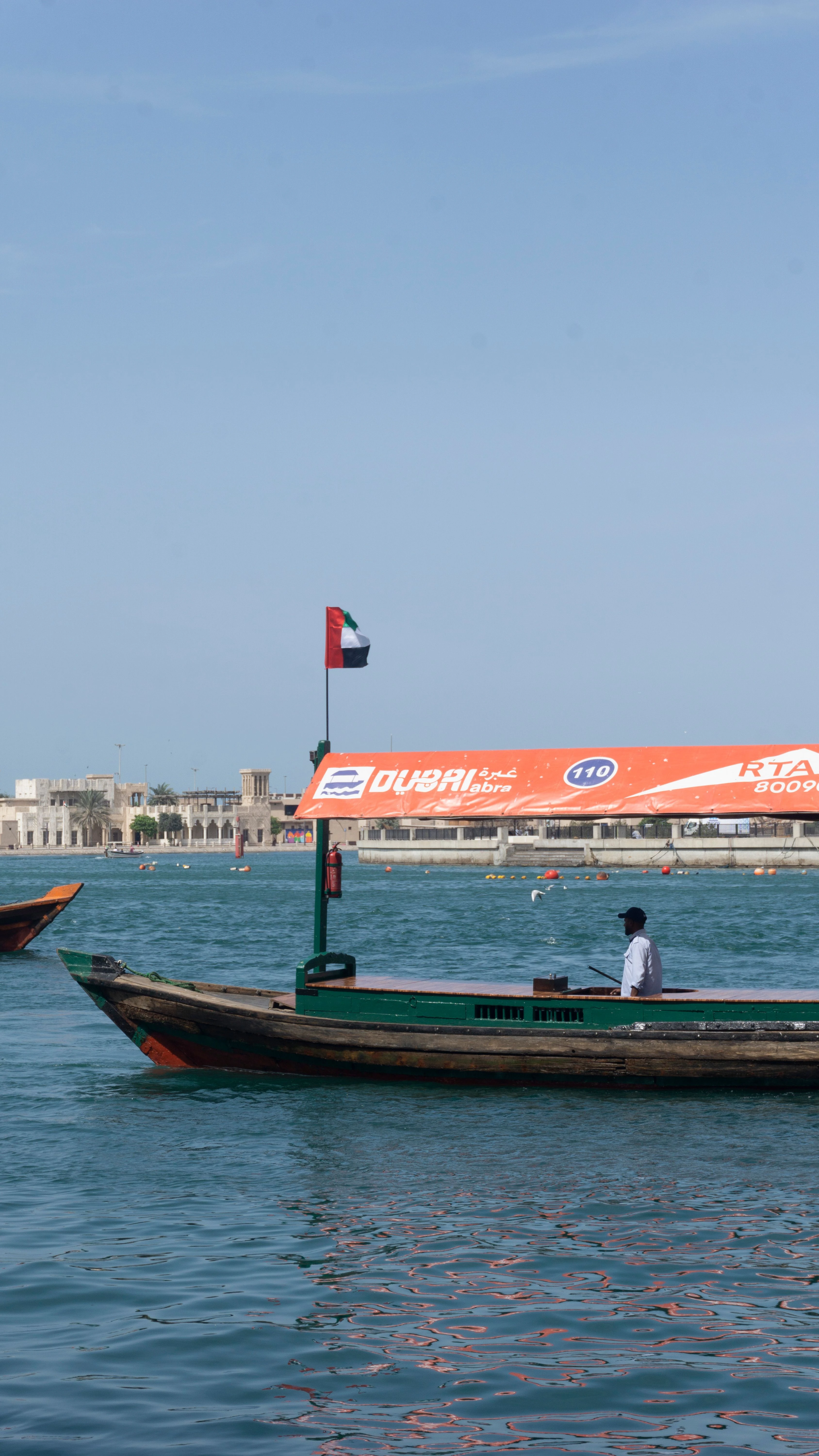
Make time for slower experiences:
- Walk beside Dubai Marina in the evening.
- Explore a traditional market without a strict deadline.
- Have breakfast outside during the cooler months.
- Take an abra ride across Dubai Creek.
- Spend an unplanned hour at the beach.
- Watch the city change after sunset.
- Try a local café away from the largest malls.
A good trip is not measured by the number of landmarks photographed.
Common Mistakes First-Time Visitors Make
Even experienced travellers can misjudge Dubai. The most frequent mistakes are usually practical rather than serious.
Booking a hotel without checking its location
A hotel may use “Dubai” in its address while still being far from your priority attractions.
Creating an unrealistic itinerary
Crossing the city several times in one day wastes both time and energy.
Packing only summer clothing
Outdoor temperatures may be high, but indoor air conditioning can feel cold.
Expecting to walk everywhere
Some districts are pedestrian-friendly, while travelling between districts normally requires transport.
Arriving without a transport plan
Deciding how to reach your hotel is easier before the flight than after a long journey.
Ignoring local etiquette
A respectful approach to clothing, photography and public behaviour makes travel more comfortable for everyone.
Forgetting to verify opening times
Schedules may change during public holidays, special events or religious periods. Check directly with the venue before making a long journey.
Quick Dubai Travel Checklist
Use this checklist a few days before departure:
| Task | Completed |
|---|---|
| Check passport and entry requirements | □ |
| Confirm whether the arrival airport is DXB or DWC | □ |
| Save the hotel’s full address | □ |
| Arrange transport from the airport | □ |
| Check the hotel’s location on a map | □ |
| Prepare suitable clothing | □ |
| Arrange mobile internet | □ |
| Download tickets and confirmations | □ |
| Notify your bank about overseas travel if necessary | □ |
| Reserve essential attractions | □ |
| Leave free time in the itinerary | □ |
Final Thoughts
Dubai is an accessible destination for first-time visitors, but the city rewards preparation.
Choose accommodation based on location rather than photographs alone. Plan the airport journey before arrival, understand how the nol transport system works and allow realistic travel times between districts. Pack for both hot outdoor conditions and cool indoor spaces, and adjust your clothing to the setting you are visiting.
Most importantly, avoid turning the trip into a race between attractions. Dubai offers modern architecture, beaches, historic neighbourhoods, restaurants, markets and desert landscapes. Leaving enough time to enjoy them will make the visit more memorable than trying to fit the entire city into a few exhausting days.