How Online Booking Systems Are Reducing Wait Times for Home Doctor Visits
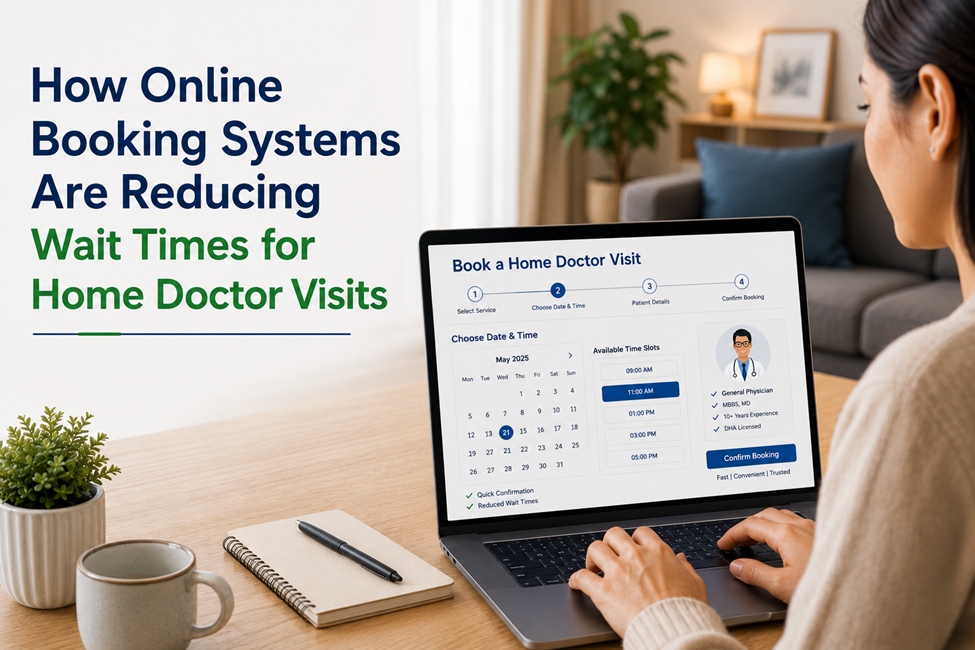
Not long ago, arranging home doctor visits usually meant a phone call, a rough time estimate, and a fair amount of waiting around. That process has changed. Online booking systems have taken over much of the scheduling work, and the result is a noticeably faster path between requesting care and actually seeing a doctor on call.
The Old Way Was Never Built for Speed
Phone-based booking relied on a receptionist checking availability, guessing travel time, and calling back to confirm. Every extra step added delay. For a patient dealing with sudden symptoms, that lag mattered. Online systems removed most of these manual steps, replacing them with something closer to a live, self-service process.
What Changed With Online Booking
Real-Time Availability Replaces Guesswork
Instead of waiting for a callback, patients can now see which doctor at-home visit is actually free nearby, in real time. This alone cuts out a large chunk of the back-and-forth that used to slow things down.
Smarter Matching Between Patient and Doctor
Booking platforms can match requests to the nearest available physician based on location, urgency, and specialty. A patient needing a general checkup and one dealing with a more specific concern are routed differently, which keeps the right doctor heading to the right address without unnecessary detours.
Fewer Errors, Fewer Delays
Manual booking left room for mistakes such as double-booked slots or missed messages. Automated systems reduce this risk significantly, since confirmations, addresses, and timing are logged accurately the moment a booking is made.
Why This Matters More in a Fast-Moving City
In cities where people expect quick service across nearly everything, from food delivery to ride-hailing, a slow booking process for a doctor at home starts to feel out of step. Faster scheduling is not just a technical improvement. It reflects what patients now expect from a home doctor service overall.
This shift matters most in situations where time genuinely affects the outcome, such as a child running a high fever or an elderly patient showing sudden signs of illness. Reducing the gap between the request and the visit gives patients faster reassurance and, in some cases, faster treatment.
How the Process Works Today
- A patient submits symptoms and location through an app or website
- The system checks real-time availability of nearby doctors
- A confirmed time slot is sent within minutes
- Live tracking shows the doctor’s estimated arrival
- Records from the visit are saved for future reference
The Role of Data Behind the Scenes
Booking platforms rely on more than a simple calendar. Scheduling software factors in traffic patterns, doctor availability, and case urgency to reduce unnecessary wait times. Over time, this data also helps providers understand peak demand periods, allowing them to staff more doctors during hours when home doctor visits are requested most often.
Fewer Bottlenecks During Peak Hours
Evenings and weekends tend to see a spike in requests, often when regular clinics are closed. Predictive scheduling helps providers prepare for these patterns in advance, rather than scrambling to respond after demand has already built up.
What This Means for Patients Choosing Home Care
For patients weighing a clinic visit against a home doctor service, faster booking removes one of the biggest objections to choosing home care in the first place. Waiting was once the trade-off for convenience. Now, in many cases, home visits are arriving just as quickly, if not faster, than a walk-in clinic appointment.
Providers such as A’Cure Healthcare have built their booking process around this expectation, aiming to close the gap between a request and an actual visit. This has made the decision easier for busy professionals, parents managing sick children, and elderly patients who prefer not to travel. The convenience of a doctor at home no longer comes with the uncertainty that used to follow a phone-based booking request.
Final Thoughts
Online booking systems have quietly solved one of the biggest frustrations tied to home healthcare: the wait. By replacing manual scheduling with real-time matching and live tracking, providers have made home doctor visits faster and more predictable. As more patients turn to a home visit doctor instead of a clinic queue, this kind of behind-the-scenes technology is likely to keep shaping how quickly and reliably care reaches the people who need it.