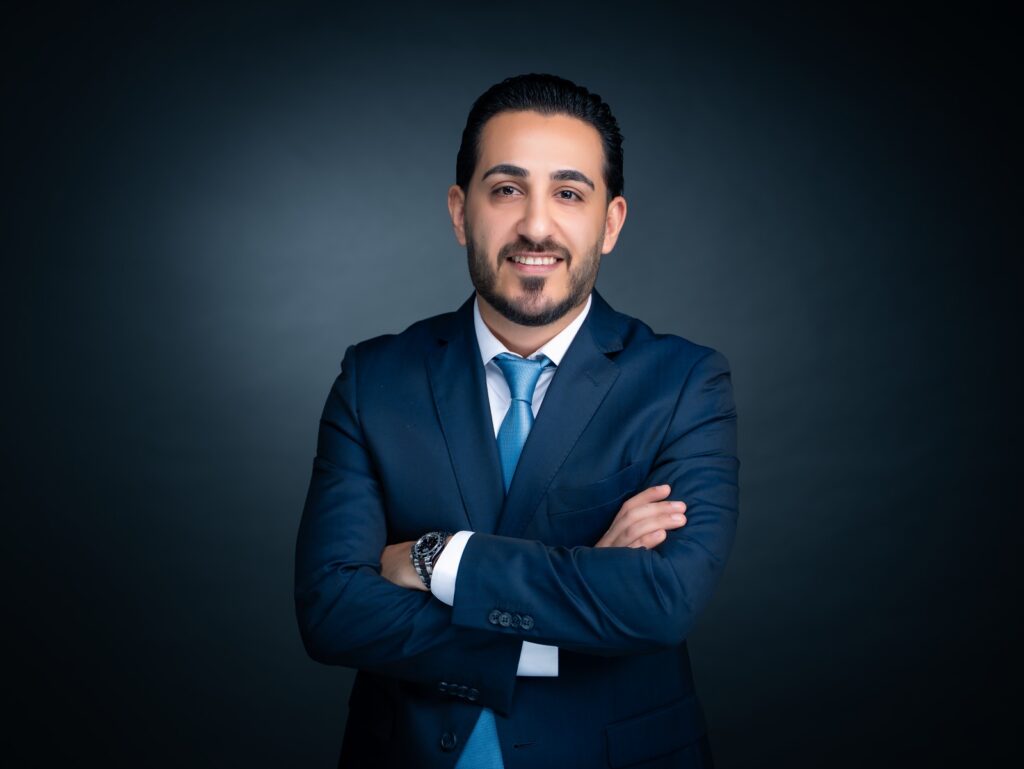
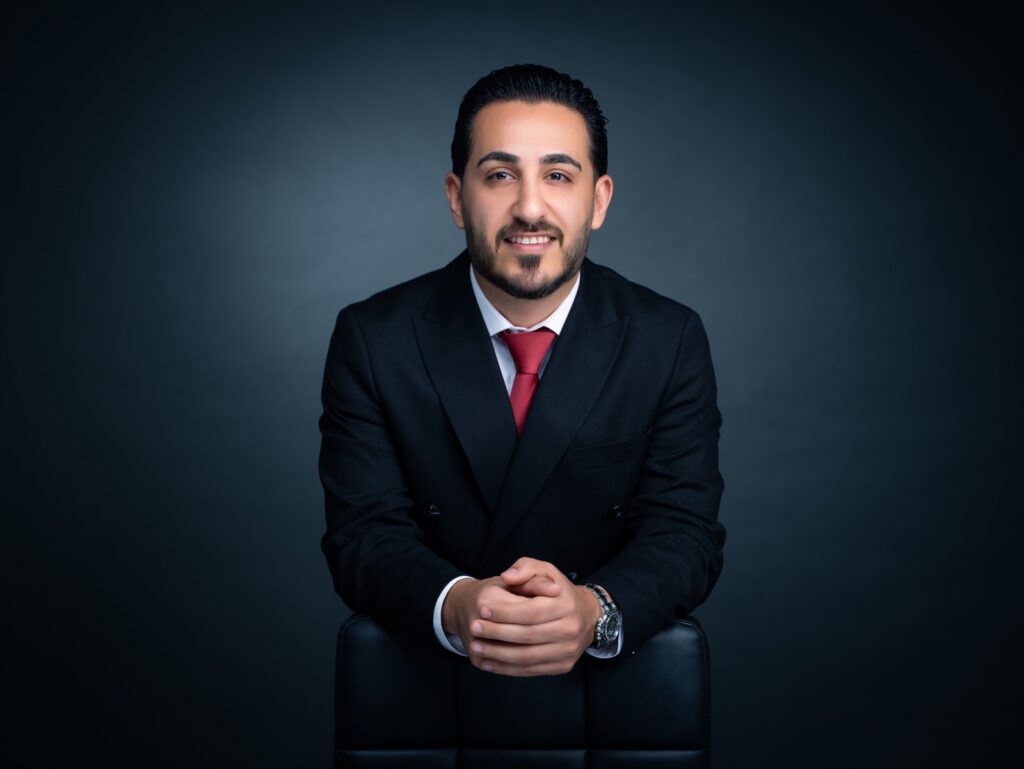
Armin Ordodary of Ordenco on Why Dubai Businesses Fail to Scale And What Serious Operators Do Differently
Dubai rewards speed. That is one reason strong businesses can get surprisingly far before their legal and regulatory architecture catches up with commercial reality.

The pattern is familiar: a company launches well, builds revenue, hires quickly and develops serious ambition. Then growth becomes harder. An investor asks questions the company cannot answer cleanly. Regional expansion exposes gaps between the operating model and the licensed structure. Senior hires create governance issues that were manageable when the team was small. Contracting, ownership or compliance questions begin slowing decisions that used to be straightforward.
At that point, the problem is often not market demand. It is structural.
For established operators, Dubai business scaling strategy is about making sure the company’s legal form, regulatory position, governance and commercial agreements can carry the next stage of growth.
Why do Dubai businesses struggle to scale beyond a certain point?
Early-stage companies often run on speed, trust and founder control. The same informality becomes expensive once the business has multiple shareholders, senior managers, major counterparties or ambitions beyond its original jurisdiction.
Friction tends to appear in predictable areas: shareholder arrangements that no longer reflect how the business is run; contracts written for a smaller risk profile; entity structures that do not match where revenue, staff or intellectual property now sit; unclear decision rights; and compliance processes that accumulated around the business rather than being designed into it.
Dubai adds another layer because growth can move a company across different operating environments. A business may begin in a free zone, develop mainland requirements, consider a DIFC presence, or evaluate structures involving ADGM. It may also need to revisit the assumptions behind a legacy DED-era setup as its licensing and operating footprint evolves.
None of that means the original structure was wrong. It means the business has matured beyond it.
What do successful Dubai operators do differently on legal and regulatory strategy?
Serious operators stop treating legal and regulatory work as a sequence of filings and approvals. They treat structure as part of the operating model.
A licence is not a growth strategy. A company that is technically established but poorly structured can still create friction for investors, banks, partners, acquirers and senior talent. A business with clear ownership, delegated authority, documented commercial relationships and a regulatory map aligned to its expansion plan can move faster because fewer decisions need to be rebuilt under pressure.
The strongest operators review structure before the next major event. They ask whether the current entity still fits the business, whether free zone to mainland expansion changes contracting or staffing needs, whether governance is sufficiently formal for the company’s size, and whether diligence would expose unresolved questions.
That is where Armin Ordodary work with Dubai businesses becomes relevant: legal and regulatory strategy is most valuable when tied directly to the commercial decisions management is preparing to make.
Which three inflection points reveal whether a business is truly ready to scale?
1. Investment and diligence readiness
Investor readiness in Dubai is not created by a polished deck. It is created by a company that can explain who owns what, which entity holds key assets, how material contracts are documented, how decisions are authorised and where regulatory obligations sit.
Diligence converts ambiguity into delay. Informal arrangements become harder to defend when an investor, lender or strategic buyer needs certainty. Good governance does not guarantee capital, but weak governance can make otherwise attractive growth harder to finance.
2. GCC expansion from Dubai
Regional expansion is not simply the replication of a Dubai setup in another market. Each jurisdiction introduces its own licensing, ownership, employment, contracting and regulatory considerations.
The more useful question is not “Which country is next?” It is “What group structure will still make sense after three countries?” That affects how subsidiaries are controlled, where contracts sit, how authority is allocated and how risk is separated.
Dubai Chamber of Commerce can support the commercial ambition of businesses looking outward, but market access and corporate architecture are different problems. Serious GCC expansion requires both.
3. Talent and hiring at scale
As companies mature, people’s risk becomes governance risk. Founder-led decisions need to become institutional decisions. Senior hires need clear authority, incentives, confidentiality protections, reporting lines and accountability.
The point is not bureaucracy. It is repeatable. A business cannot scale if every material decision depends on unwritten founder knowledge. Business governance becomes a growth issue once the organisation needs to make more decisions, through more people, without losing control.
How does Ordenco help established Dubai businesses scale?
Ordenco’s role is not to replace commercial judgment with legal process. It is to make the structure support the judgment.
For an established business, that can mean reviewing the current entity and ownership architecture against the next growth stage; identifying regulatory or contractual gaps before diligence; formalising governance and decision rights; mapping the implications of mainland, free zone, DIFC or ADGM options; and aligning legal work with GCC expansion, investment or strategic transactions.
The distinction matters. Legal structure scaling in the UAE is not an administrative clean-up exercise. It is a management exercise with legal and regulatory consequences.
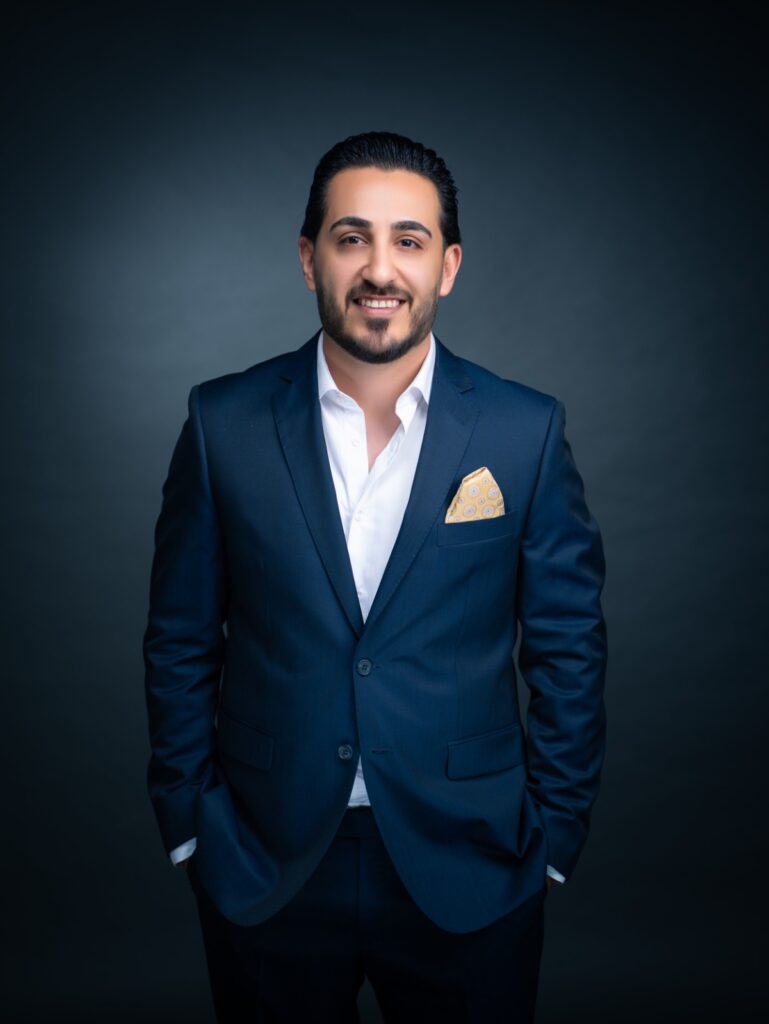
Armin Ordodary, Managing Director of Ordenco, has described the firm’s approach this way: “At Ordenco, we don’t just advise, we help clients design and execute solutions that hold up under complexity and scale with confidence.”
For Dubai operators, that is the standard that matters. The next structure should not merely solve today’s compliance question. It should reduce friction in the next financing, market entry, senior hire and strategic decision.
When should a Dubai business bring in strategic advisory support?
The right time is before the ceiling becomes a crisis.
If growth now depends on external capital, multi-jurisdiction expansion, a more sophisticated governance model or a transition from founder-led execution to institutional management, legal structure has already become strategic.
Dubai offers ambitious companies multiple routes to grow: mainland, free zone, DIFC, wider UAE operations and GCC business expansion. The advantage goes to operators who choose those routes deliberately rather than accumulating structures reactively.
Ordenco is positioned for that stage: when the business is established, the commercial opportunity is real, and the existing architecture is no longer good enough for what management wants to build next.
For executives ready to move beyond that ceiling, Ordenco Dubai advisory provides a framework for turning legal, regulatory and governance decisions into infrastructure for scale, not obstacles to it.